The key is preparation: understanding your medications specific requirements, investing in quality cooling equipment, organizing documentation, and building redundancy into your storage plans
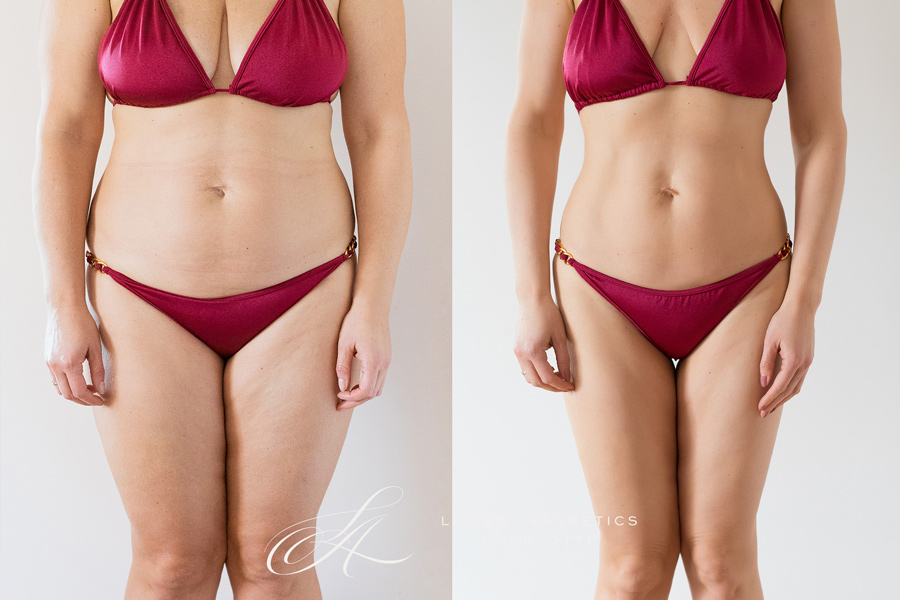
Body contouring after weight loss typically involves one or more of the following: Abdominoplasty (tummy tuck after Ozempic or similar medications): Addresses loose skin and weakened abdominal muscles, particularly after significant midsection weight loss Lower body lift: The most common procedure for this patient population, targeting the abdomen, hips, outer thighs, and buttocks circumferentially Brachioplasty (arm lift after weight loss): Removes excess skin along the inner upper arm Thigh lift : Corrects laxity along the inner or outer thighs Breast lift or augmentation : Restores projection and volume lost during weight reduction Fat transfer: Addresses volume loss in the face or breasts using the patients own fat Energy-assisted skin-tightening options such as Renuvion can also be incorporated for patients with moderate laxity who prefer a less invasive approach
If theres a significant imbalance of bacteria in your gut, it may take longer to see a noticeable effect
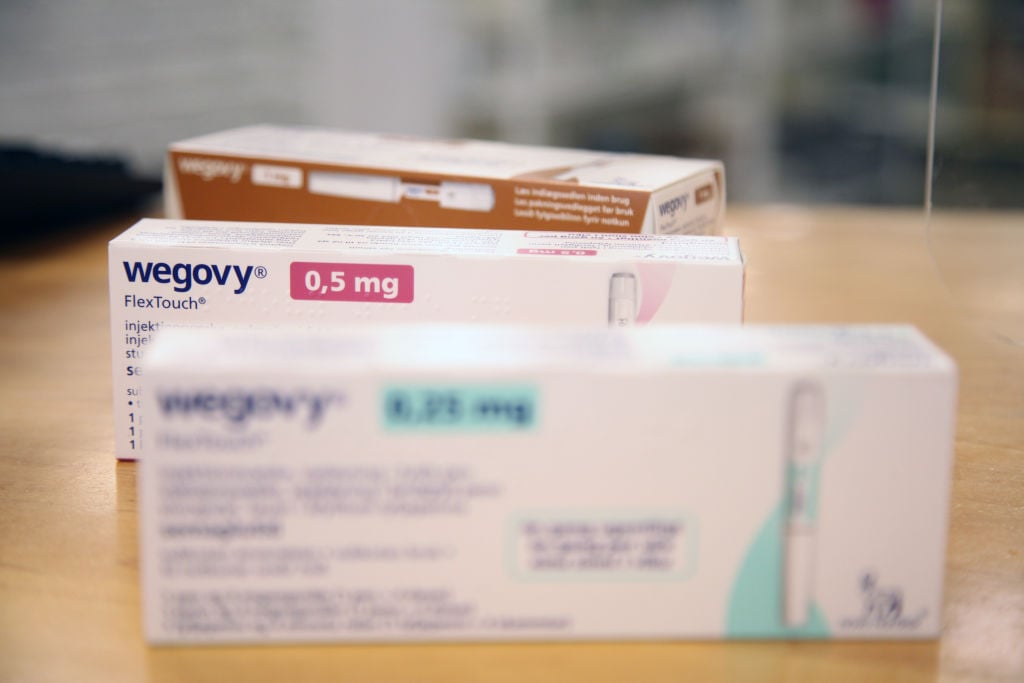
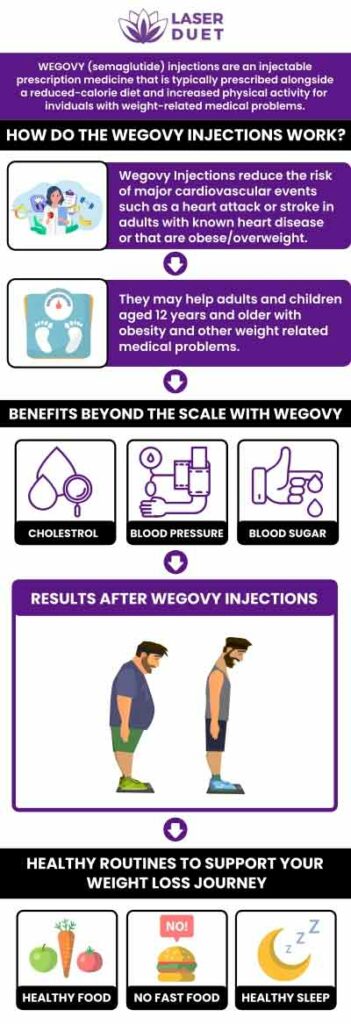
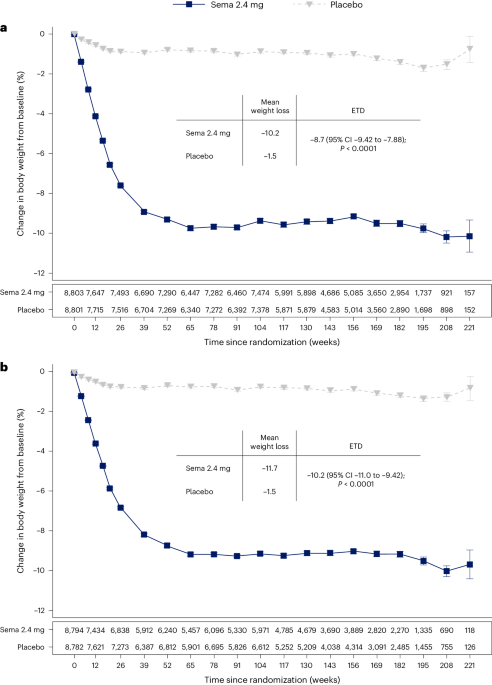
Wegovy It offers moderate weight-loss potency with generally fewer severe side effects
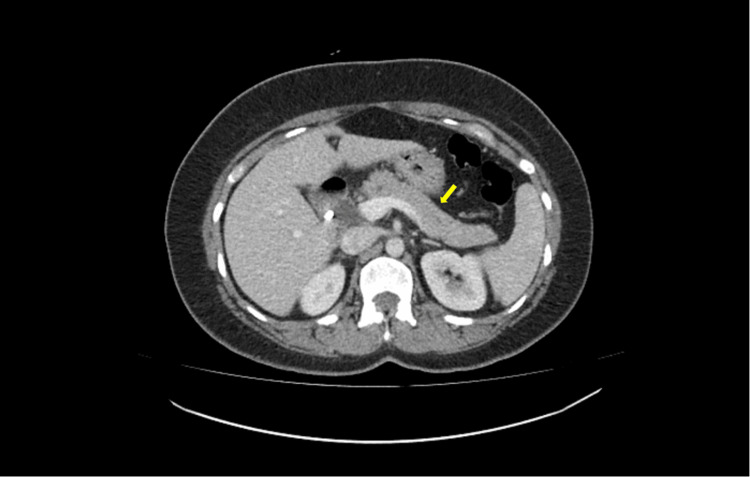
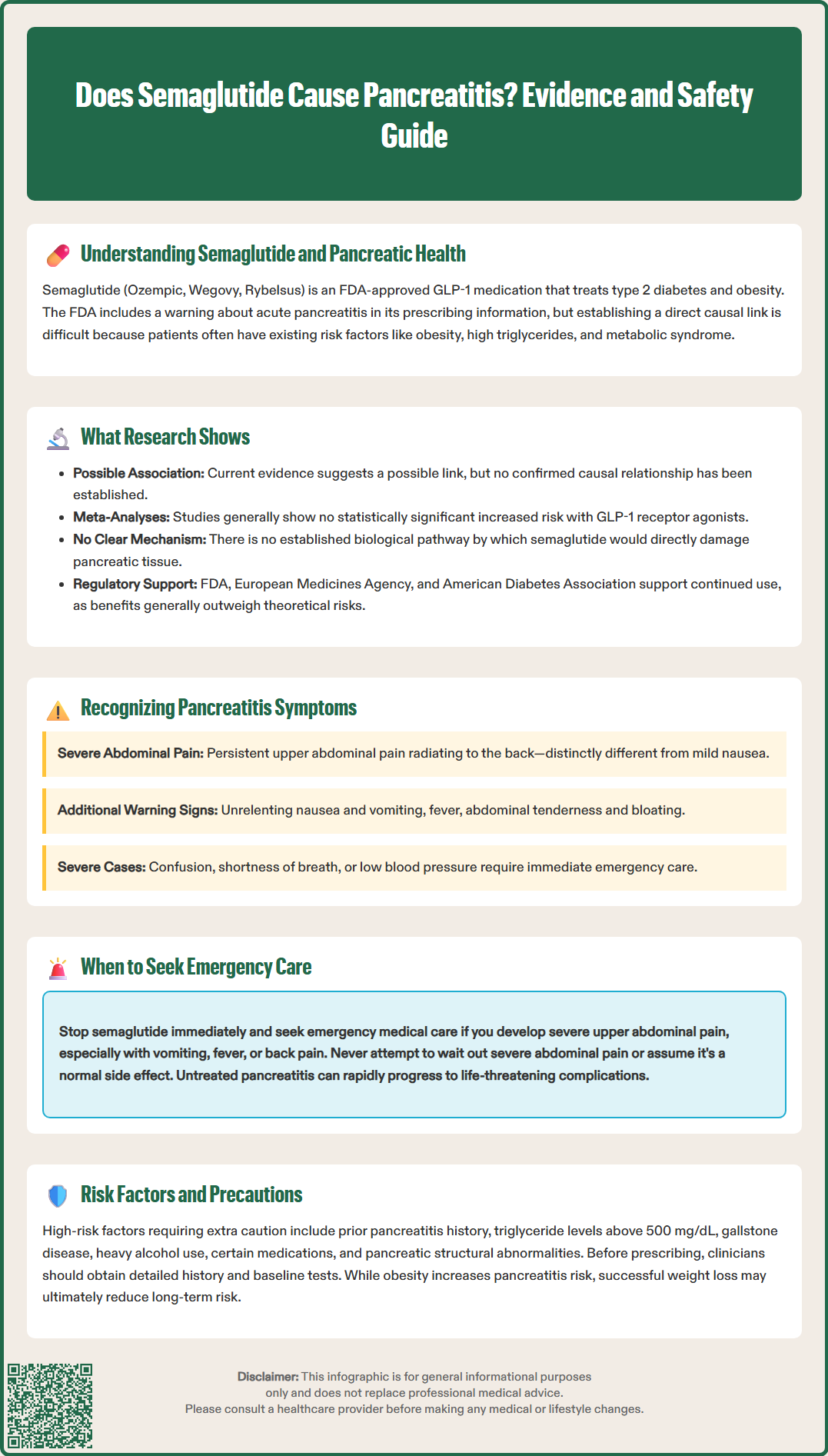
Current FDA labeling for semaglutide products includes warnings or precautions involving: Acute pancreatitis Acute gallbladder disease Acute kidney injury due to volume depletion Severe gastrointestinal reactions Hypoglycemia when combined with insulin or insulin secretagogues Diabetic retinopathy complications in susceptible patients Serious hypersensitivity reactions Pulmonary aspiration risk during general anesthesia or deep sedation Semaglutide labeling also contains a boxed warning regarding thyroid C-cell tumors observed in rodents