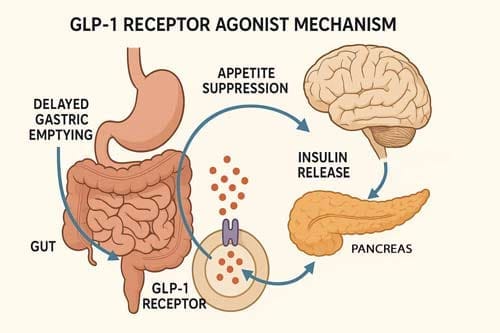
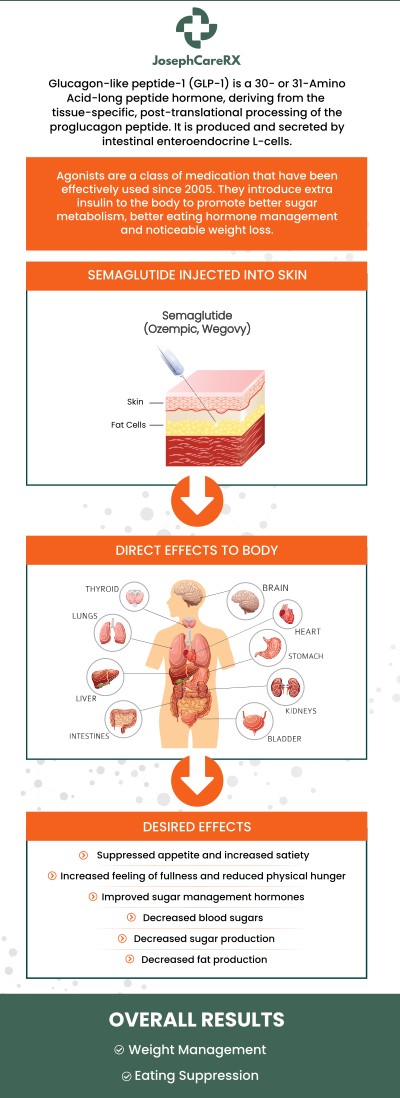
Understanding this balance helps you and your aesthetic provider create an optimal treatment timeline that preserves your facial aesthetics while supporting your weight loss goals

Physical Sudden weight loss, frequent weight changes, persistent low weight Inability to maintain normal body weight for age and height, failure to grow as expected Loss or disturbance of menstruation Fainting or dizziness Sensitivity to the cold Bloating, constipation, or the development of food intolerances Fatigue or lethargy Fine hair appearing on face and body Loss or thinning of hair Signs of vomiting such as swollen cheeks or jawline, calluses on knuckles or damaged teeth Stress fractures, bone pain, muscle cramps Compromised immune system (e.g., getting sick more often) Sleep disturbances Behavioural Repetitive dieting behaviour such as counting calories, skipping meals, fasting or avoidance of certain foods or food groups Evidence of vomiting or misuse of laxatives, appetite suppressants, enemas and/or diuretics Frequent trips to the bathroom during or shortly after meals Patterns or obsessive rituals around food, food preparation and eating Change in food preferences Avoidance of, or change in behaviour in social situations involving food Social withdrawal or isolation from friends and family Secretive behaviour around eating Patterns or obsessive behaviours relating to body shape and weight Compulsive or excessive exercising Substance misuse Continual denial of hunger Drinking too much or too little Change in clothing such as wearing baggy clothes or more layers than appropriate for the weather Psychological Preoccupation with eating, food, body shape or weight Intense fear of gaining weight Preoccupation with food or activities relating to food Heightened anxiety or irritability around mealtimes Heightened sensitivity to comments or criticism (real or perceived) about body shape or weight, eating or exercise habits Low self-esteem and feelings of shame, self-loathing or guilt Body dissatisfaction or negative body image Difficulty concentrating Obsession with food and need for control Black and white thinking - rigid thoughts about food being good or bad It is never advised to watch and wait
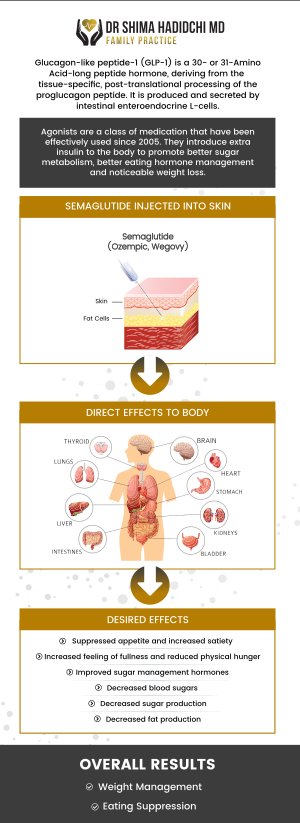
Medical supervision: Clinic consultations and bloodwork add professional fees
Collection was performed in United States Department of Agriculture (USDA) inspected facilities and all materials have been inspected and certified to be free of disease and suitable for exportation
The safety margin between therapeutic and potentially harmful doses appears substantial