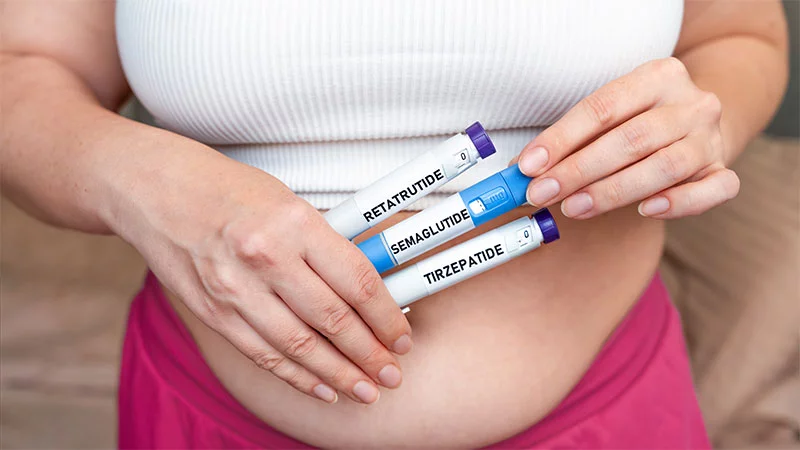
Studies show patients on chronic corticosteroid therapy struggle with weight loss despite being on effective GLP-1 medications
Their risk for causing you hypoglycaemia is moderate

Check out this review article that does a great job summarizing and synthesizing the data so far Amini 2025, No association: Abbass 2025, TriNetX: Chou 2025, TriNetX: Silverii 2024, meta-analysis of RCTs: Maro 2024, Sentinel: Increased association between semaglutide and NAION: Hathaway 2024: Simonsen 2024: Grausland 2024: My synthesis Takeaways: Pathophys seems to be related to vasodilation due to glucose control, leading to venous congestion, capillary leak, and edema ("compartment syndrome") Most data is on semaglutide, not tirzepatide, but presumed pathophys applies to the drug class Type 2 diabetes, OSA, and "disc at risk" status are additional risk factors Data is inconsistent on whether risk of NAION is increased for people taking #GLP1s for #obesity My clinical practice: For people with obesity, I'm paying attention but I'm not concerned For people with #diabetes, I'm careful to avoid rapid glucose correction and I ask their ophthalmologist to comment whether patient has a "disc-at-risk" (ie, small optic disc to cup ratio)

Here, we will explore the specific considerations for patients with hypothyroidism, hyperthyroidism, thyroid nodules, goiters, and thyroid cancer
They'll review your health history, discuss your goals, and determine if a GLP-1 medication is right for you