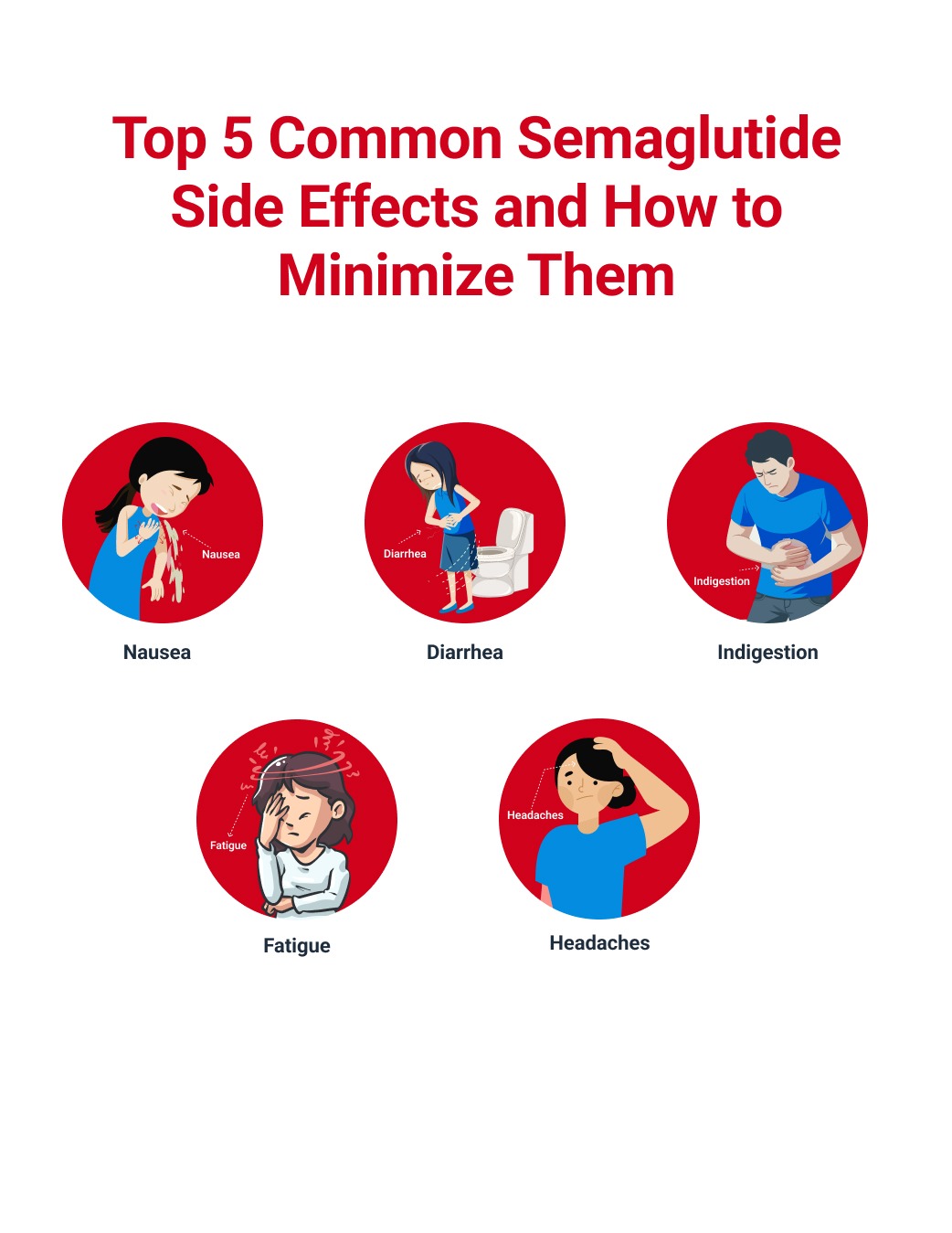
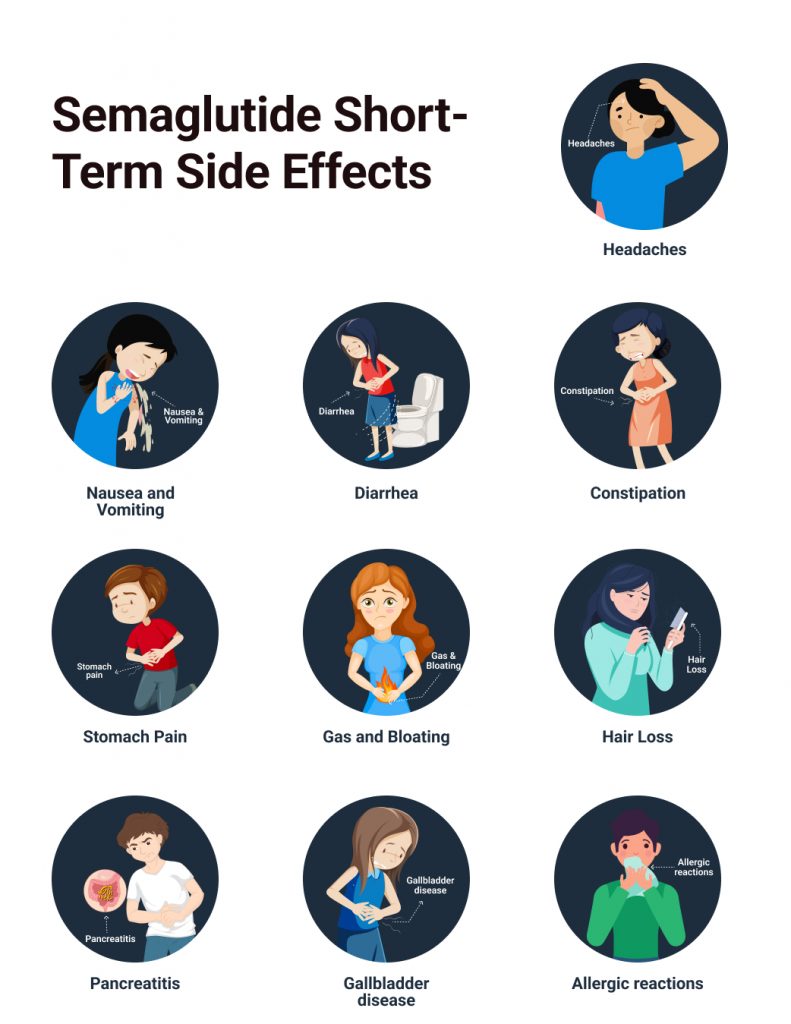
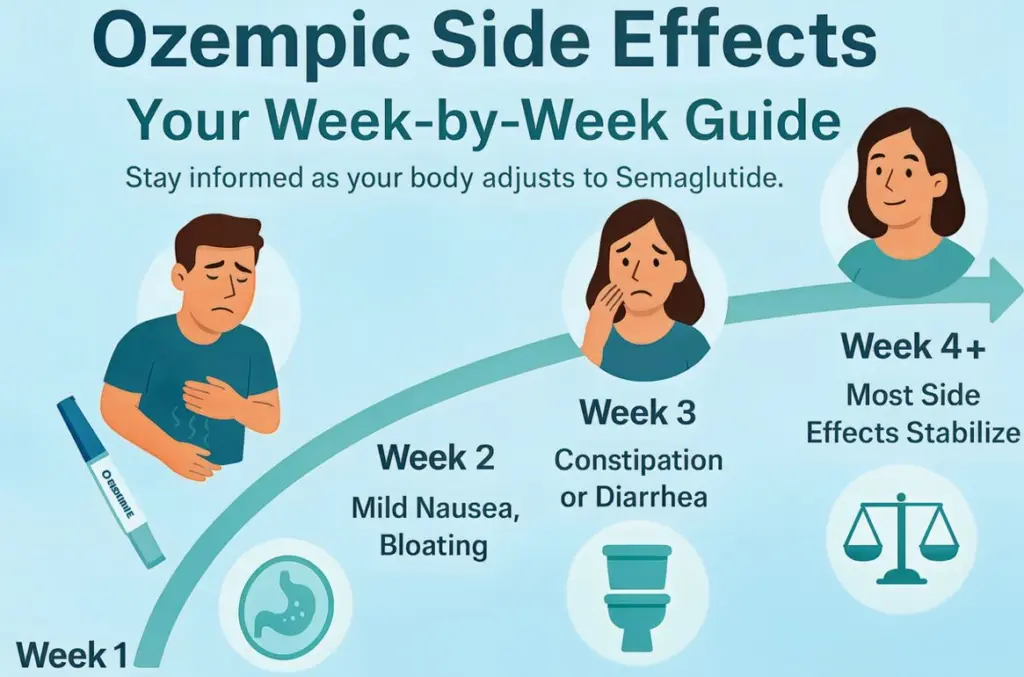
Written information reinforcing these warning signs supports informed decision-making and appropriate help-seeking behaviour
Ketoacidosis can also happen in people who are sick, cannot eat or drink as usual, skip meals, are on a diet high in fat and low in carbohydrates (ketogenic diet), take less than the usual amount of insulin or miss insulin doses, drink too much alcohol, have a loss of too much fluid from the body (volume depletion), or who have surgery or a procedure that requires not having food for a long time (prolonged fasting)
Pretending otherwise costs time, money, and patient safety
Because fat cells are more vulnerable to cold than nearby tissues, they are gradually disrupted and then cleared by the body over time
The procedure involves: Identifying one or more trigger points in one or two muscles Sterilizing the injection site Inserting a needle into the taut muscle band Injecting medication to relieve pain, reduce inflammation, and improve function These injections may be performed for a variety of clinical conditions, including myofascial pain syndrome, fibromyalgia, neck and back pain, and sports-related muscular tightness