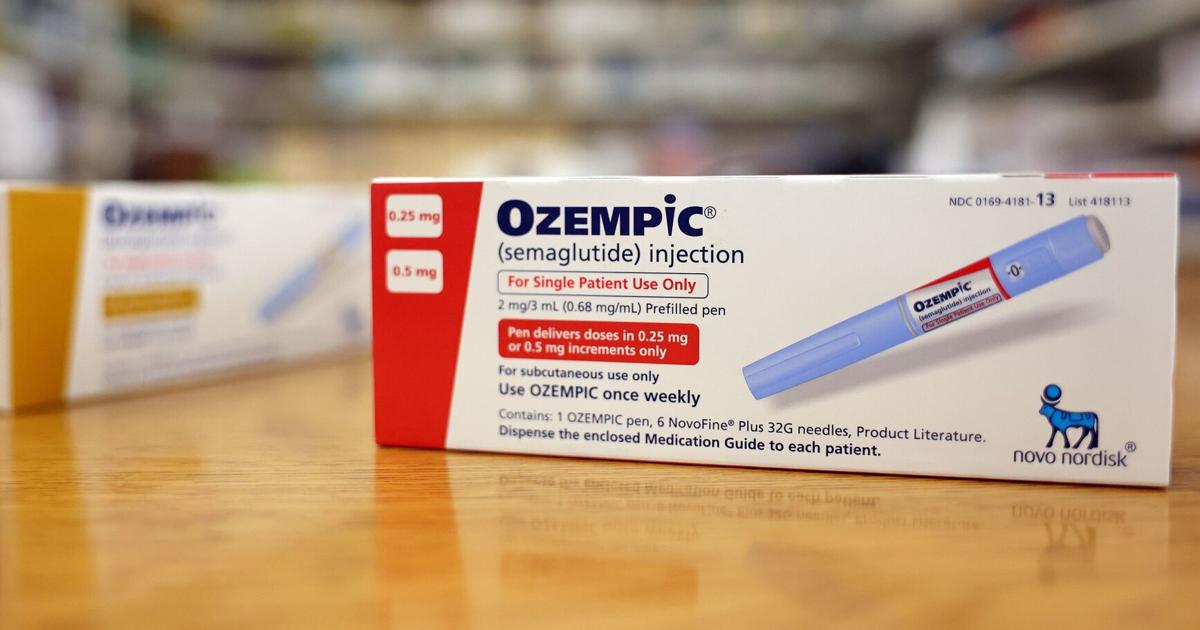
KEY TAKEAWAYS BY PRODUCT Ozempic dominated the GLP-1 agonists market owing to its high adoption for the management of type 2 diabetes, wide geographic availability, and a strong brand recognition
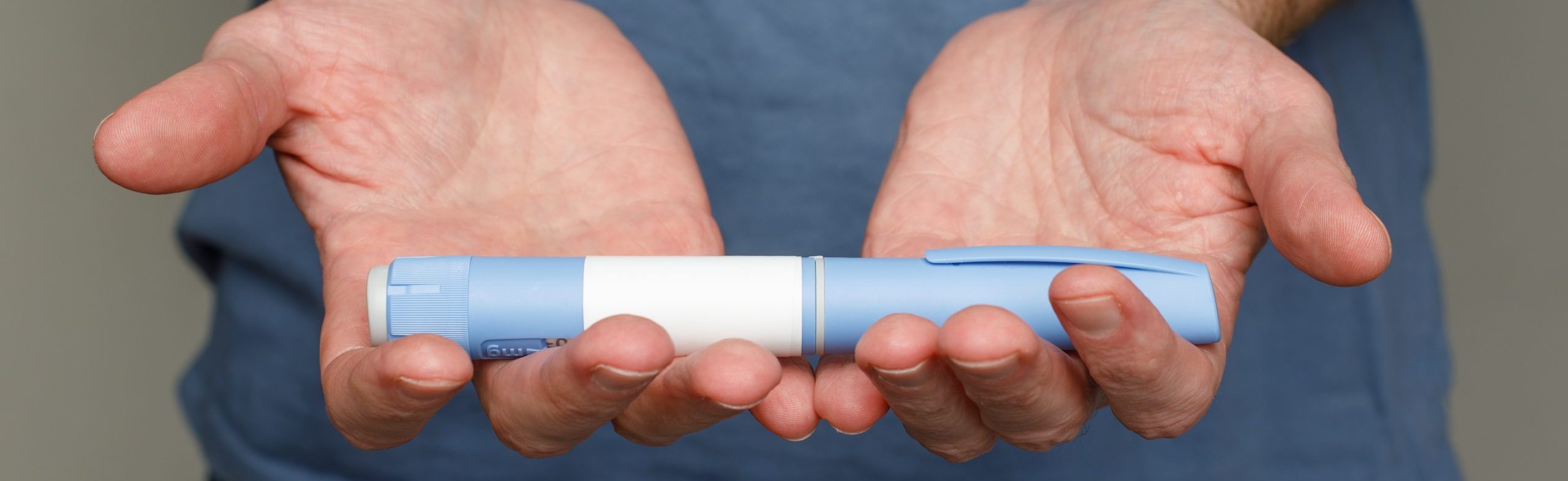
Medication leaking from the injection site If you notice a drop of liquid at the injection site after removing the needle, you may not have held the pen in place long enough
Some of the conditions that may benefit from LDN therapy include: Autoimmune & Inflammatory Conditions : Rheumatoid Arthritis, Lupus, Multiple Sclerosis (MS), Hashimotos Disease, Inflammatory Bowel Disease, Crohns Disease, Psoriasis Chronic Pain & Neurological Disorders : Fibromyalgia, Chronic Fatigue Syndrome (CFS), Complex Regional Pain Syndrome (CRPS), Migraine Headaches Gastrointestinal Disorders : Irritable Bowel Syndrome (IBS), Periodontal Disease Endocrine & Metabolic Conditions : Addisons Disease, Hypothyroidism, Polycystic Ovary Syndrome (PCOS) Mental Health & Neurological Disorders : Anxiety, Obsessive Compulsive Disorder (OCD) Skin Conditions : Eczema, Atopic Dermatitis, Alopecia Areata How Does LDN Work
Hence, it increases the demand for GLP-1 drugs for their effective management
Table of Contents Introduction to GLP1s and Alcohol Use Mechanisms Behind GLP1 Alcohol Use Reduction Clinical Evidence: What Studies Show Practical Considerations in Diabetes Care Talking With Patients About Alcohol and GLP1s FAQs Introduction to GLP1s and Alcohol Use Glucagonlike peptide1 receptor agonists (GLP1 RAs) are widely used in type 2 diabetes for improved glycemic control and weight management
















![semaglutide nausea legal team in louisiana semaglutide diarrhea attorney in louisiana Ozempic Lawsuit [May 2026 Update]](https://www.torhoermanlaw.com/wp-content/uploads/2024/05/Ozempic-Lawsuit-768x384.png)


