"While acting in connection with the Nike Oregon Project, Mr
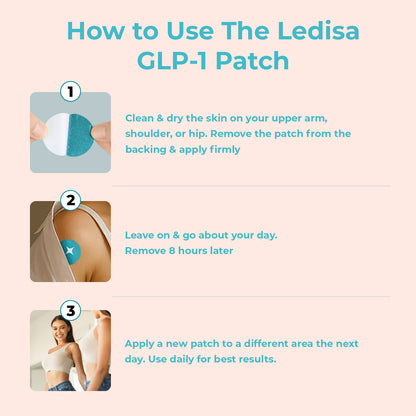
Lasting weight loss comes from GLP-1 prescriptions combined with medical oversight and lifestyle support

Pathophysiological implications of redox regulation in liver ROS play a crucial role in the induction and progression of different liver diseases and evidence of oxidative stress has been detected in almost all the clinical and experimental conditions of chronic liver diseases with different etiology and progression rate of fibrosis.4,5,27 The pathogenesis of the damage involves all the cell types present in the liver (hepatocytes, Kppfer, stellate and endothelial liver cells) via apoptosis, necrosis, ischemia and regeneration, all processes leading to altered gene expression.4 The main sources of free radicals are represented by neutrophils, endotoxin-activated Kppfer cells, hepatocyte mitochondria and cytochrome P450 enzymes.6 The relevance of cellular redox imbalance in liver diseases is outlined by a number of studies in patients with viral or alcoholic liver diseases showing a correlation between liver damage and increase in pro-oxidant cellular markers such as malondialdehyde, 4-hydroxynonenal and their protein adducts, associated with a concomitant decrease of GSH, vitamin E, vitamin C, selenium, etc.4,28 These markers may contribute to monitor the degree of liver damage and the response to antiviral therapies

The figure 25.3 % surpasses: Tirzepatide SURMOUNT-1: 22.5 % Semaglutide STEP-1: 14.9 % Retatrutide Phase 2: 24.2 % (comparable, but Phase 3 results for Retatrutide are still lacking) It raises the question whether CagriSema will be the first molecule with an effect truly comparable to bariatric surgery (typically 2530 % reduction)
PRMT1 regulates fatty acid metabolism by methylating UBE2m at R169 in TECs Next, we predicted the position of UBE2m arginine methylation by using the GPS-MSP tool [33], among which R169 had the highest methylation score (Fig

:max_bytes(150000):strip_icc()/Health-GettyImages-2236560849-a1934f1e4c004a19835cb508d021388b.jpg)